Why a Car Wrap Preview Matters Before You Commit to a Design
Choosing a custom car wrap is exciting. You browse through colour swatches, look at finish samples, and imagine how your vehicle will look transformed. But what works on a flat plastic sample may not work on the curves of your car. That is where a car wrap preview becomes essential. It bridges the gap between what you imagine and what is actually possible, saving you from costly mistakes and delivering a result that feels right the first time.
I have worked with vehicle wrapping for over a decade in Singapore, from simple colour changes to full-body advertising wraps. I have seen customers fall in love with a colour on a sample card, apply it to their car, and then feel disappointed because the same colour behaves differently on a three-dimensional surface. The angles, the lighting, and the reflectivity of the wrap all shift the look. A car wrap preview lets you see your design on your actual car model before you spend a single dollar.
Seeing Your Design Before It Is Applied
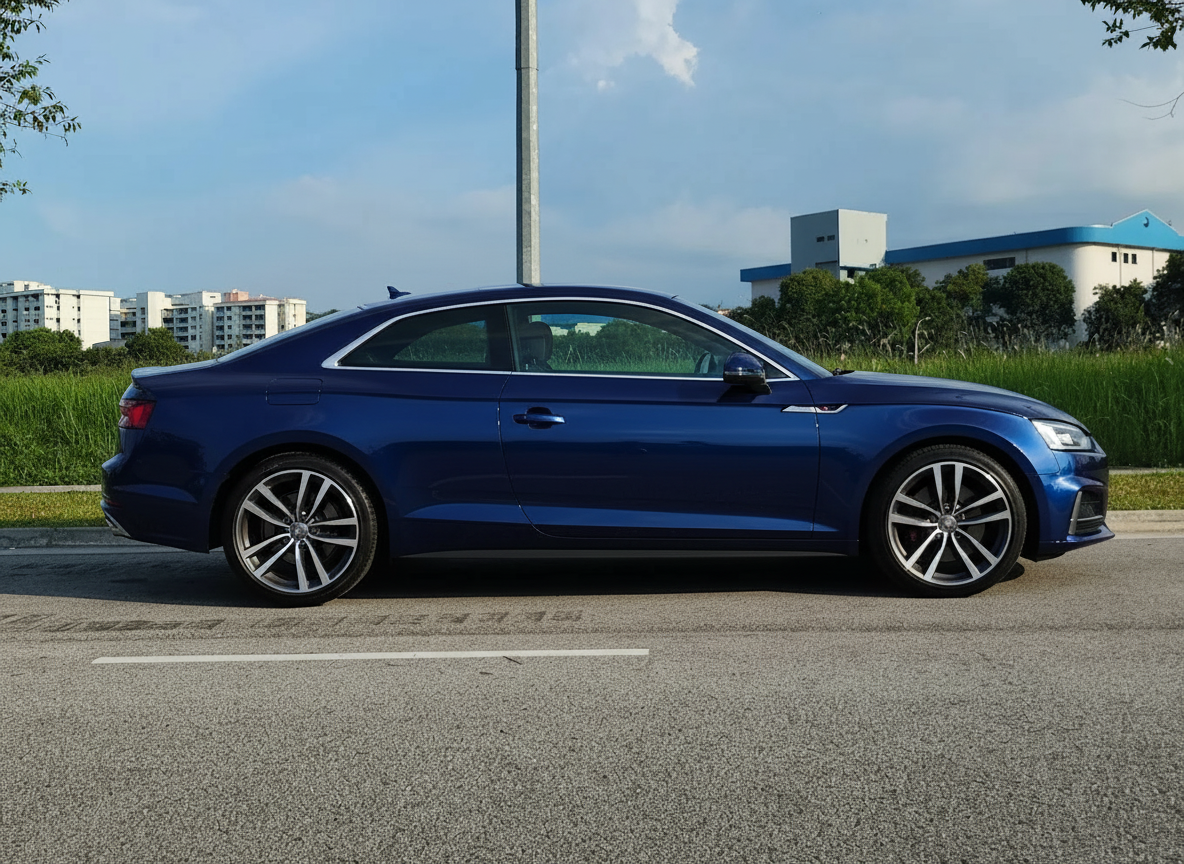
Most premium studios now offer a digital mock-up service. They take a photograph of your car and use software like Adobe Photoshop or Blender to wrap the design around the vehicle digitally. This is not just a flat sticker slapped on a photo. The best studios map the design to the contours of your car, accounting for panel gaps, curves, and edges. What you get is a realistic visual that shows how the wrap will look from every angle.
For example, a Ferrari Red wrap on a Lamborghini will appear different than the same wrap on a Toyota Corolla. The body lines change how light hits the surface. A good car wrap preview can show you these differences. It can also reveal if a design that looks sharp on a flat screen becomes too busy when wrapped over a complex shape. I have seen many customers change their design after seeing a preview. They realise that a simpler pattern reads better on the car than a complicated one.
Why a Preview Saves You Time and Money
Wrapping a car is not cheap. Even a partial wrap involves high-quality vinyl from brands like Oracal, KPMF, or Hexis, plus skilled labour. If you commit to a design and later decide you want to change it, you are paying for new material and possibly a second installation. A car wrap preview reduces that risk. You can experiment with different colours, finishes, and layouts without spending anything.
In Singapore, where cars are often a significant investment, this matters. The heat and humidity here also affect how vinyl behaves over time. A preview that includes information about UV-resistant materials and graphene coating can help you make a better choice for long-term durability. Some wraps look stunning initially but fade quickly under the tropical sun. A preview gives you a chance to ask about these details before you commit.
How Studios Create a Car Wrap Preview
The process usually starts with high-resolution photos of your vehicle. The studio takes shots from multiple angles. Then they use design software to create a 3D model of your car or work directly on the flat images. Programs like Adobe Photoshop allow for precise layering, while Blender offers a full 3D environment where you can rotate the car and see the wrap from every side.
Some studios go a step further. They use a digital template of your car model, matching the exact dimensions and panel shapes. This means the preview is not just a visual approximation but a technically accurate representation. For a Ford Mustang or a Mercedes-Benz, the panel lines are unique. A generic preview might miss those details. A proper car wrap preview accounts for them.
After the preview is ready, the studio sends it to you as an image or a video. You can view it on your phone, tablet, or laptop. Some even share it on Instagram or YouTube to get feedback from friends. This step is especially useful if you are wrapping your car for a business or an event and need approval from others.
Real-World Examples of Preview Benefits
I recall a customer who wanted a full wrap for his Ford Mustang. He had chosen a metallic blue with black stripes. The preview showed that the stripes would align awkwardly across the hood due to the car's curves. We adjusted the stripe angle in the design, and the final result looked clean and intentional. Without the preview, the stripes would have been crooked on the actual car, and the customer would have been unhappy.
Another example involved a Lamborghini owner who wanted a matte grey wrap. The preview revealed that the grey looked almost flat under direct sunlight, losing the depth he wanted. He switched to a satin finish with a subtle metallic flake. The preview saved him from a costly mistake because matte grey is not always reversible without a full strip and rewrap.
For commercial wraps, a car wrap preview is even more critical. A company that wraps its fleet of Toyota Corollas for branding needs to ensure the logo and contact details are legible on every car. The preview shows how text wraps around door handles and wheel arches. It also helps check that no critical information is hidden behind panel gaps.
What to Look For in a Quality Preview
Not all previews are equal. A good preview should show your car from at least three angles: front, side, and rear. Ideally, it should also include a 45-degree angle view because that is how most people will see your car on the road. The preview should accurately represent the colour of the wrap, including how it looks in different lighting conditions.
Ask the studio if they use a colour-calibrated monitor. If they do not, the preview might look different on your screen. Also ask if they can show you a sample of the actual vinyl applied to a curved surface, like a bottle or a car door. This helps you see how the material behaves in real life. A studio that offers a car wrap preview is usually confident enough in their work to show you exactly what you will get.
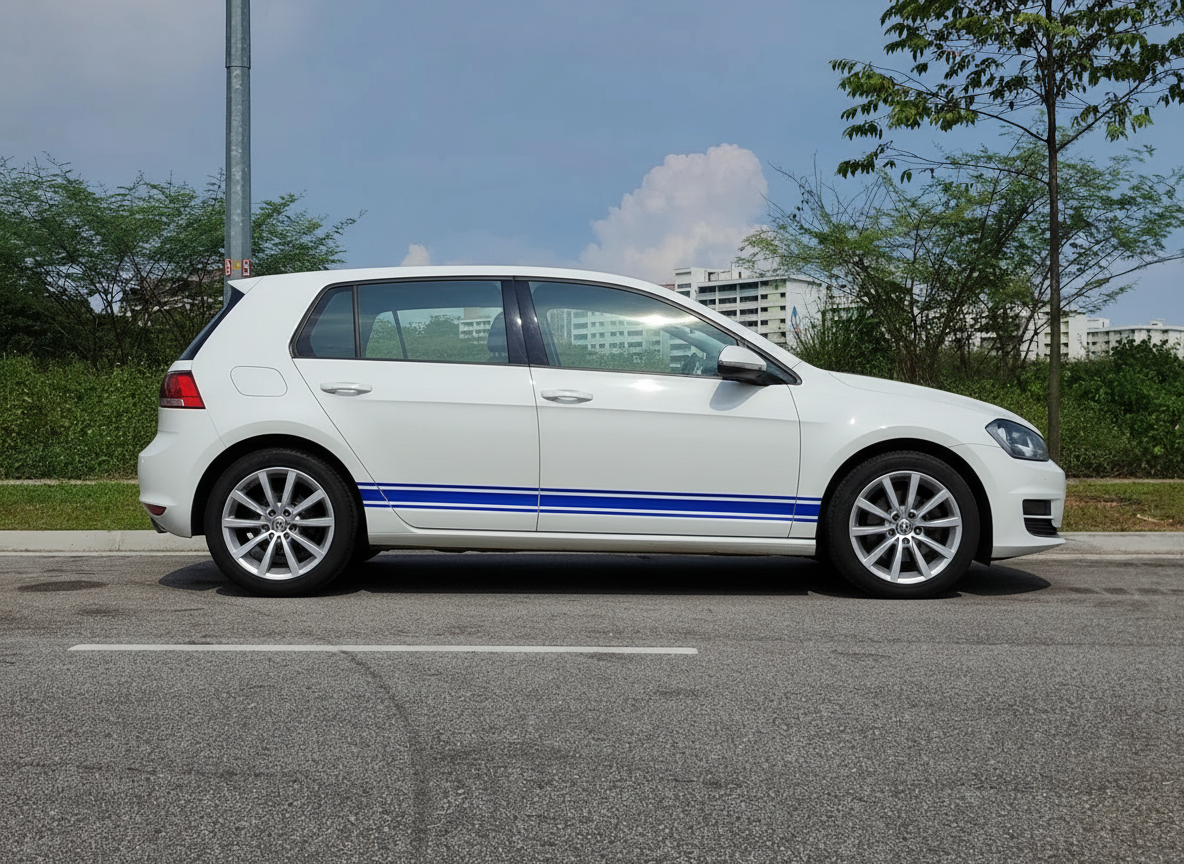
In Singapore, studios like CarWrapsG and Premium Shield offer this service as part of their consultation. They know that a well-done preview builds trust. It also reduces the chance of disputes later. When you see the preview and approve it, both you and the studio have a clear reference point.
Beyond Visuals: The Practical Side of a Preview
A car wrap preview is not only about colours and patterns. It also helps you decide on practical aspects like the type of vinyl and the finish. Glossy wraps show scratches more easily than matte ones. Metallic wraps can interfere with certain sensors on modern cars. A preview allows you to discuss these factors with the installer before they start cutting vinyl.
For instance, if you choose a wrap that includes a large area of chrome, the installer might need to use a different cutting technique or a specific brand like KPMF that handles chrome better. The preview can highlight these requirements. It also gives the installer a chance to mention if your car's paint has any damage that needs repair before wrapping. Fixing paint after the wrap is applied is much harder.
Some wraps require LTA Singapore approval, especially if they cover more than a certain percentage of the car or use reflective materials. A preview can help you show the proposed design to LTA for approval. It is easier to get approval when you have a clear visual of the final look.
How Technology Has Improved the Preview Process
In the past, previews were rough sketches or generic images that did not match your car. Today, software like Blender and Adobe Photoshop allow for photorealistic rendering. Some studios even use augmented reality apps that let you see the wrap on your car through your phone camera. You can walk around your actual car and see the virtual wrap in real time. This is still rare but becoming more common.
Another advancement is the use of cutting plotters from brands like Cricut for small-scale prototypes. While Cricut is more common for hobbyist projects, some studios use similar technology to create a small sample of the wrap on a curved test panel. This gives you a physical feel for the material, including its texture and flexibility. A digital car wrap preview combined with a physical sample is the most thorough approach.
Making the Most of Your Preview Session
When you sit down with a designer to review your preview, come prepared. Bring reference images of styles you like. Be ready to discuss your budget, as some vinyls cost more than others. Ask about the warranty and the expected lifespan of the wrap. In Singapore's climate, UV-resistant materials are not a luxury but a necessity. A good studio will tell you which brands they recommend. Oracal and Hexis offer good options for tropical weather.
Do not rush the preview. Take your time to look at the design from every angle. Ask to see the preview on a large screen, not just your phone. If the studio uses Instagram or YouTube to showcase past work, browse their portfolio. It gives you an idea of their style and quality. A studio that shares detailed previews of past projects is likely to do the same for you.
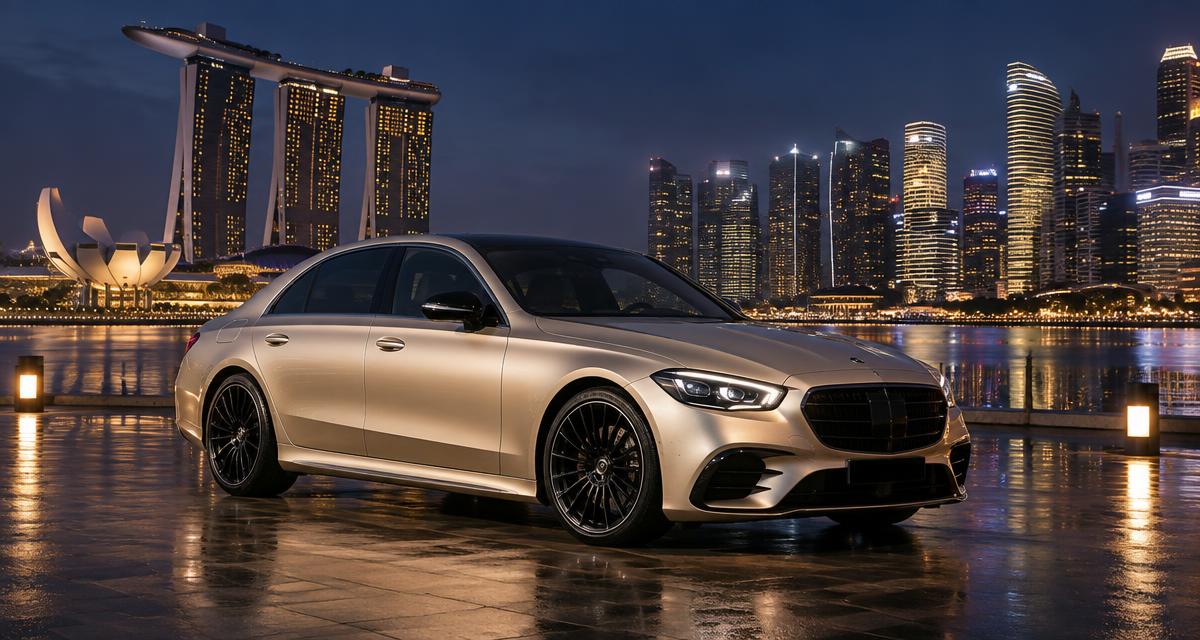
Finally, trust your gut. If something in the preview looks off, speak up. It is easier to adjust a digital file than to remove a wrap that has already been installed. A professional studio will welcome your feedback. They know that a satisfied customer leads to referrals and repeat business.
Wrapping Up Your Decision
A car wrap preview is not an optional extra. It is a vital step in the vehicle wrapping process. It gives you confidence in your choice, prevents misunderstandings, and ensures that the final wrap matches your vision. Whether you are wrapping a Toyota Corolla for business or a Mercedes-Benz for personal style, investing time in a preview is worth it.
In the end, wrapping your car should be an enjoyable experience. You get to express your personality and make a statement on the road. A thorough car wrap preview makes sure that statement is exactly what you intended. Before you pick a vinyl colour or a design pattern, ask your studio for a preview. Your car will thank you for it.